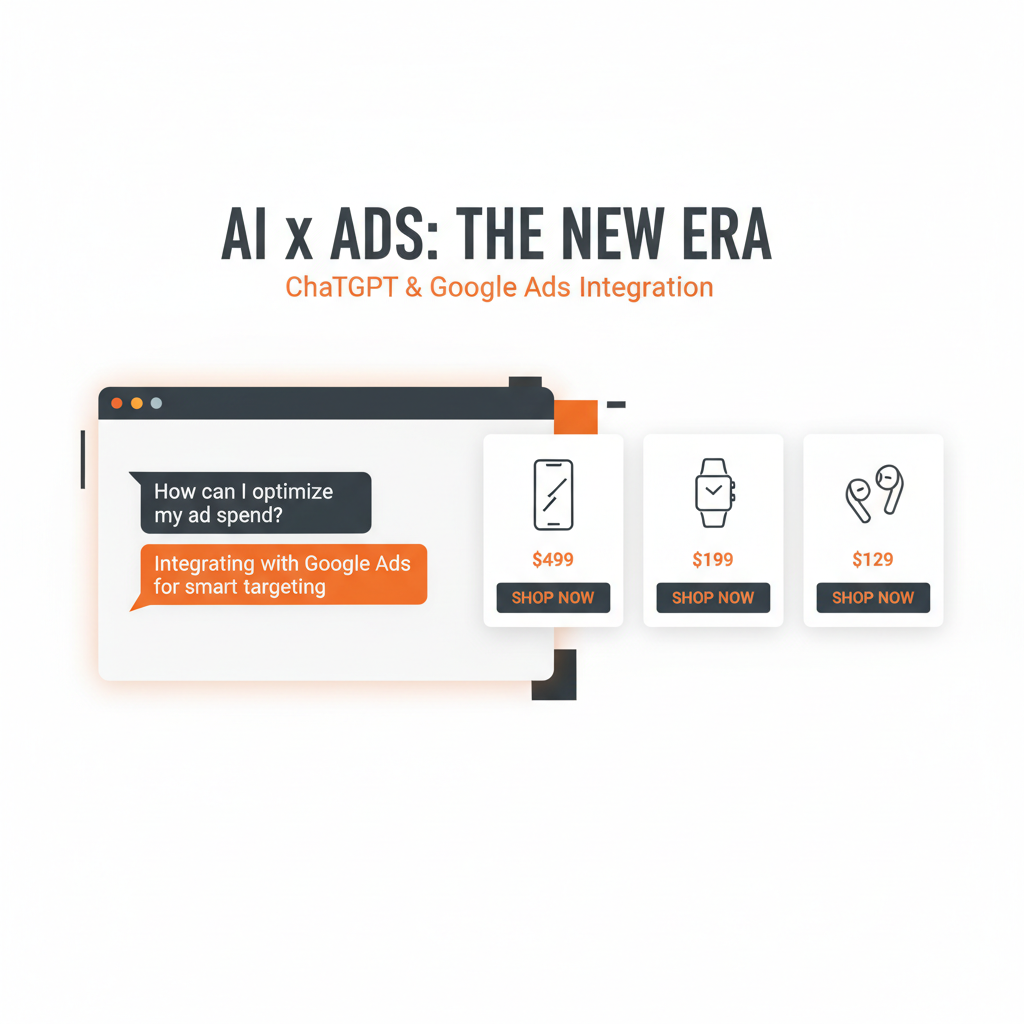
The Rise of ChatGPT in Digital Advertising
2026 marks a turning point for AI in advertising. ChatGPT and similar large language models have moved from experimental tools to core components of advertising workflows. For e-commerce businesses running Google Shopping campaigns this shift brings both opportunities and challenges.
Google itself has integrated AI deeply into its ads platform with Performance Max campaigns powered by machine learning. But the real revolution is happening on the advertiser side where ChatGPT is being used to create optimize and scale campaigns faster than ever.
How ChatGPT is Used in Google Ads Today
1. AI-Generated Product Descriptions
Writing unique descriptions for hundreds or thousands of products used to take weeks. With ChatGPT advertisers can generate optimized product titles and descriptions in bulk. The key is feeding the AI with structured product data and letting it create copy that includes relevant keywords naturally.
Pro tip: Use ChatGPT to create descriptions in multiple languages simultaneously. Combined with a Google CSS partner like Feedve you can expand into new European markets with localized product feeds and lower CPC.
2. Campaign Structure Optimization
ChatGPT helps advertisers analyze campaign data and suggest structural improvements. Feed it your campaign metrics and it can identify underperforming product groups suggest bid adjustments and recommend negative keywords you may have missed.
3. Ad Copy for Search and Display
Beyond Shopping ads ChatGPT excels at generating variations of responsive search ads. Create 15 headlines and 4 descriptions in seconds then let Google's AI pick the best combinations.
4. Customer Support Automation
AI chatbots powered by ChatGPT handle pre-sale questions on e-commerce sites. This conversational commerce approach increases conversion rates because customers get instant answers about products shipping and returns.
ChatGPT + Google CSS = Maximum Savings
Here is where it gets interesting. By combining AI-powered campaign optimization with a CSS partner you create a double advantage:
- ChatGPT optimizes your campaigns improving quality scores CTR and conversion rates
- CSS reduces your CPC by up to 20% because bids placed through an independent CSS are not reduced by Google Shopping Europe's margin
The result? More clicks for less money with better-performing ads. Use our CSS savings calculator to see how much you could save.
Risks and Limitations
AI-generated content is not without risks:
- Quality control is essential. Always review AI-generated product descriptions before publishing
- Google's policies require that ad content is accurate and not misleading
- Over-reliance on AI can lead to generic content that does not stand out from competitors
- Data privacy concerns when feeding customer data into AI models
What is Coming Next?
Google is testing AI-powered Shopping experiences where users interact with a conversational interface to find products. This means:
- Product data quality becomes even more critical
- Structured data and rich product feeds will win
- Advertisers who combine AI optimization + CSS savings will have a significant edge
How to Get Started
- Audit your product feed using ChatGPT to identify gaps in titles and descriptions
- Switch to a CSS partner like Feedve (30-day free trial) to lower your Shopping CPC
- Use AI for campaign analysis but keep human oversight for strategic decisions
- Test conversational commerce with an AI chatbot on your store
Summary
ChatGPT is not replacing human advertisers but it is making them significantly more efficient. Combined with Google CSS savings from a partner like Feedve the ROI improvement can be substantial. The key is using AI as a tool not a replacement for strategy.